// transmission -
🕵️♂️ ChatGPT Is Selling Real Estate
Last week, something quiet but huge happened.
OpenAI started testing ads inside ChatGPT.
That might sound boring at first.
Trust me, it's not.
This is the first time an AI assistant has joined the same advertising world that built Google, Facebook, and basically the entire internet economy.
I've been thinking hard about what this means for your business & your chats, for trust between companies and customers, and for how we all grow in the next few years…
This week is a juicy one, let's get into it.
📰 Ads Slip Into ChatGPT
OpenAI began inserting paid placements into free ChatGPT responses. Search, sales, customer support, and user trust will feel the ripple effects within weeks.
Key Facts
- 🪄 Audience - Logged-in adults on Free and Go tiers see the ads. Plus, Pro, and Enterprise remain ad-free for now.
- 💸 Sales Model - Traditional insertion orders, CPM pricing, budgets under $1 million to start while self-serve tools get built.
- 🔐 Guardrails - No user data for sale, no ads on sensitive topics, no influence on the model’s wording, just a clearly labeled slot.
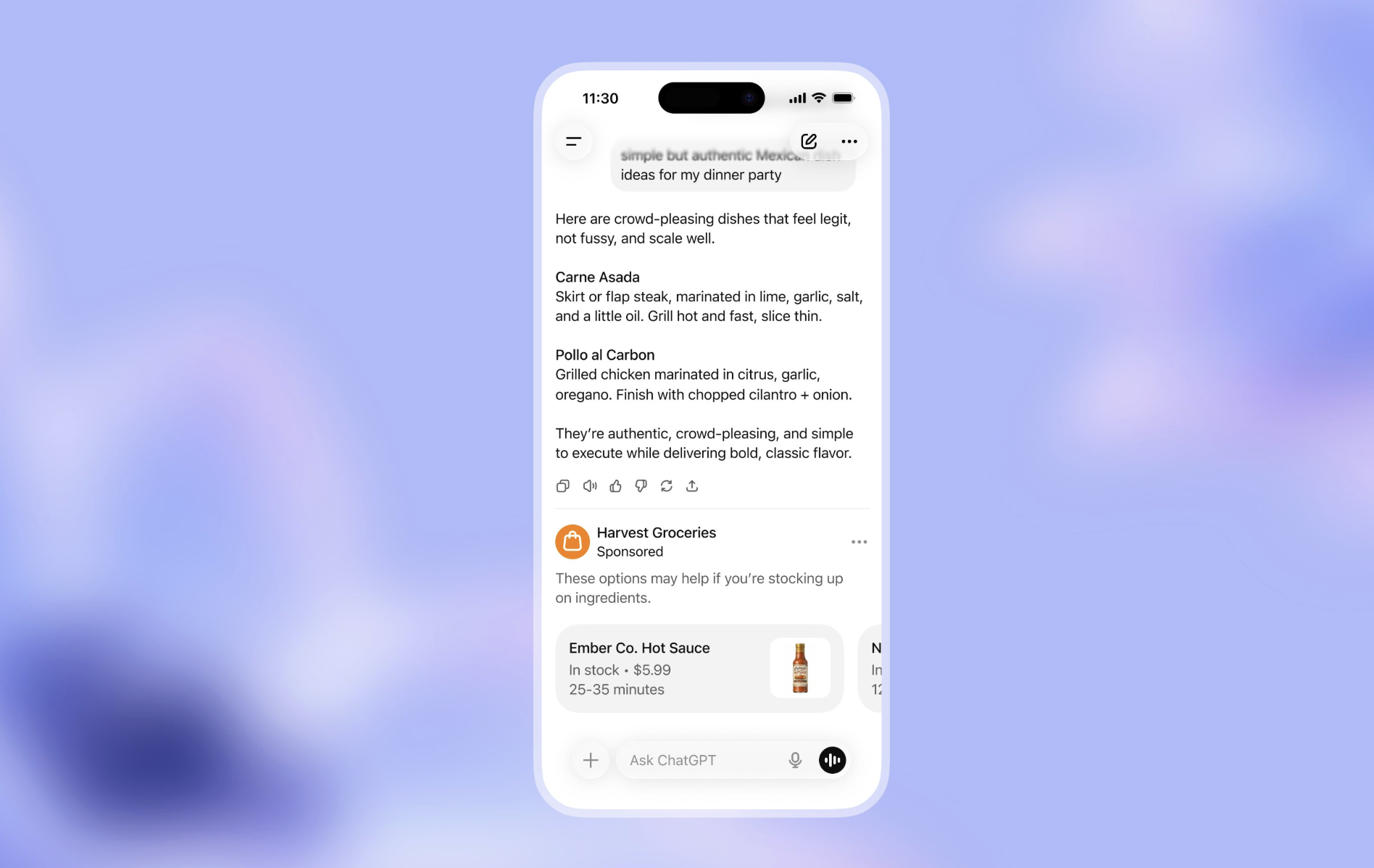
So here's the deal.
OpenAI is testing advertisements at the bottom of ChatGPT responses.
Right now, only free users in the United States see them.
If you pay for ChatGPT Plus or use it through your company, you won't see ads - yet.
These ads appear as clearly labeled "sponsored" cards beneath the AI's answer.
They're contextual, which means they match what you're asking about.
Early advertisers are paying per impression with budgets under $1M while OpenAI builds self-serve tools for smaller businesses.
💸 The Money Behind the Move
OpenAI reportedly made about $13B in revenue last year.
And they want to triple it.
But here's the thing: training and running AI models costs an absolute fortune. We're talking GPUs, electricity, data centers, and brilliant engineers who don't work for free.
Financial projections show OpenAI losing money through the rest of this decade.
However.
Ads…
Ads, my dear friend, are high-margin revenue.
Subscriptions and enterprise deals are great, but ads could be the difference between keeping ChatGPT free for everyone vs. hiding it behind a paywall. 🛑
💭 The Good, The Bad, and The Reality
People in advertising are excited.
I mean really excited.
When someone types "best noise-canceling headphones for travel" into ChatGPT, that's not random browsing.
That's someone ready to buy.
Why?
Because not only is that how it's worked for Google since they rolled out ads, that's premium advertising space that brands will pay top dollar for.
Skeptics have watched search engines and social media platforms start as user-focused tools, then slowly tilt toward advertisers once big money shows up.
The fear is ChatGPT follows the same path.
Here's my take after years in this space: the first version will probably be fine.
The real risk comes later in choices you can't see.
Which questions get prioritized?
Which conversation flows push toward purchases?
How aggressive does lead capture become?
How quick does everyone catch on?
That's where trust and opportunity can disappear without a single thing being changed.
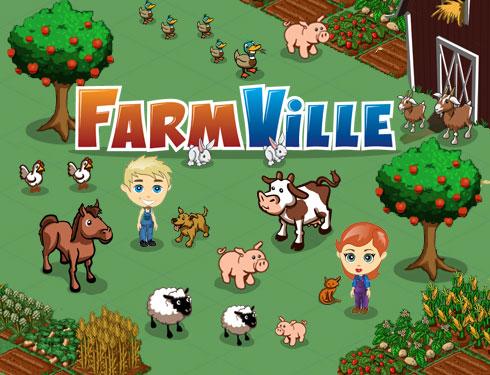
Remember FarmVille?
If you don't know what I'm talking about and why the image above looks like I used GPT 3 to generate a photo, it's because a decade & a half ago the story I'm about to tell you started.
My wife was playing this Facebook game while I was on the couch when I saw her stuck on a level.
I had some time so I found an ebook on ClickBank that taught the top play-by-play strategies.
I bought it, and we got her unstuck in about 10mins.
Now, if consumerism was the victor the story would end here, however, you've met me. 😎
This was right when Facebook was starting to demo their ad network and no one was advertising.
And I mean - no one. Imagine?
It hit me, ClickBank had an affiliate program and paid good margins for sale of this digital PDF.
“What if I promoted this book, to people who like FarmVille, while they're playing FarmVille?” - JC3
So, I spent the next hour or so setting up an ad account, making a mini creative and setting things up. I turned it on, closed the laptop and we went to the mall for dinner.
When we were done I checked my email and had almost $1,000 in sales. Don't you love when an idea just works?
Naturally I didn't stop there.
The next day I quickly tried to get as much credit on my AMEX as they'd give me and ramp things up. Moderately successful on that front, over the next month I made a killing - but ONLY until everyone caught on.
👆🏻 Did you read that last one, and let it really sink in?
This is the moment when you get to define your place on the upside of a history defining technology, entering the ad space, with upwards of 800 million weekly active users.
To put this in perspective, my story took place mid 2009.
By my (AI assisted) math, that would put Facebook at only having about 250 million weekly active users at that time, and they wouldn't hit the same metric until 3.5 years later 👀
💥 The Impact
Here's what you can expect to see with this change:
1️⃣ High-Intent Moments
- Chat conversations capture painfully specific requests - “whats the best hedge trimmer under $200 for big hands, i need your recommendations and tell me where to buy it” beats any broad keyword.
- Assistants can shortlist, explain, and present a sponsored option at the precise purchase moment.
Action step 👉 Review critical queries for your product category and decide whether appearing inside the chat is now part of the funnel.
2️⃣ Funding the Free Tier
- Training and running frontier models costs a fortune. Ads subsidize access, which keeps the user pool broad and diverse.
- If placements remain clearly labeled, trust holds.
- If monetization creeps into the answer itself, confidence erodes fast - social networks learned that lesson the hard way.
3️⃣ Competitive Posture
- Google’s Demis Hassabis told reporters Gemini chat has “no plans” for ads, which translates to “we’ll watch OpenAI run the experiment first.” Why wouldn't they?
- Anthropic prefers a premium, zero-ads stance. OpenAI is effectively stress-testing public tolerance on everyone’s behalf.
4️⃣ Commerce Inside the Chat
- Ordering “next-day flowers under $60 delivered in Phoenix” could soon trigger:
- Three organic suggestions
- One sponsored florist
- A payment request right there in the threat
- The entire shopping cart disappears. Merchants with checkout APIs will thrive when conversation becomes point-of-sale.
Implementation idea 👉 Sketch out how your product could complete a transaction without redirecting a user to a web page.
5️⃣ Friction Points to Monitor
Manipulation - Revenue pressure could nudge answers toward paying brands.
Regulation - The FTC fines heavily for murky sponsorship labels.
Trust - Once users suspect pay-to-play, they bail, and rebuilding credibility costs more than any tech upgrade.
🔍 The Real Opportunity Is Bigger Than Banner Ads
Banner-style ads are just the beginning.
The real game is what I call "assistant-mediated outcomes."
The AI helps you decide, then handles the action for you.
Think about it.
Every conversation reveals intent.
Research, planning, vendor selection, hiring, education.
That maps directly to advertising categories we already know, but with way more context and specific needs.
The future model looks like this:
- book a flight
- start a software trial
- order lunch
- schedule a demo
All happening inside the assistant. Revenue sharing and performance pricing are layered on top.
This means affiliate-style suggestions with full transparency.
Deep integrations with platforms like Shopify, TripAdvisor, and Stripe so the "ad" becomes a one-step action the assistant can complete for you.
🍀 Opportunities for You to Take
Conversational performance channels
Brands will soon pay only for completed actions - think trip bookings finished inside the chat. Set up product data and conversion tracking now.Assistant-interaction optimization (AIO)
The same discipline that put companies on page one of Google will shift to prompt-first assistants. Audit your content so the model already “knows” your product.Creative-testing tools
An open advertising API will spark dashboards for split-testing copy, measuring downstream sales, and pausing losers automatically. Agencies built on Google Ads can retool for chat placements without starting from scratch.
✌️ Your Turn
What are the top three high-intent questions your buyers ask that you'd want the assistant to act on?
Where would you draw the line for paid placements in your space?
If a clear, labeled "Start trial" card appeared under a fair comparison that names you and a competitor, would that help or hurt trust with your audience?
Don't let another monumental opportunity that comes 1-2x per lifetime pass you by on this one. I'm already working on my next FarmVille play.
Share and let me know your thoughts.
P.S. We filled all the lifetime spots for QuickSign & you can still try it totally for free
P.P.S. I've opened two VIP day spots for February
// enjoyed.this.transmission
Get the next one in your inbox.
CTRL+ALT+BUILDTM ships every Tuesday - free forever, unsubscribe anytime.
// ps - there's a whole room behind this letter. Meet the community →